
Affordable House Centipede Control | Professional Inspection & Treatment
Take Control of Your Home Environment
Discover effective strategies to identify, understand, and manage house centipedes in your living space with professional house centipede control methods. Our guide provides insights into their behavior and practical solutions to help you eliminate activity and maintain a pest-free home.
630-348-7463
What Are House Centipedes?
An In-Depth Look at House Centipedes
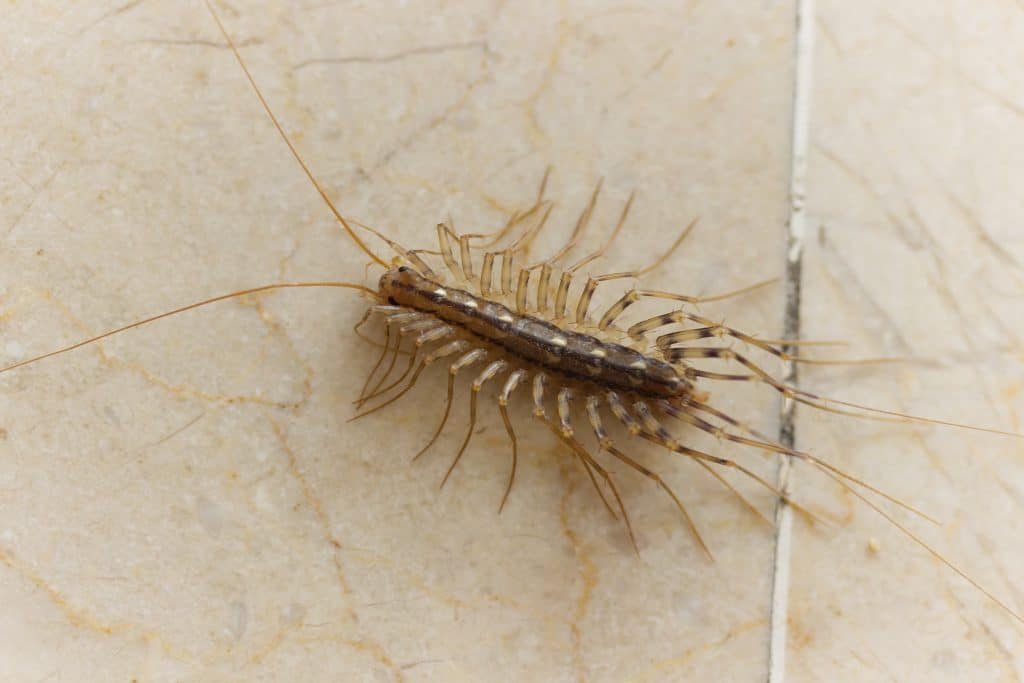
House centipedes are elongated arthropods known for their numerous legs and swift movements. Typically measuring between 1 to 1.5 inches in length, these creatures have a yellowish-grey body with dark stripes running along their length. As nocturnal hunters, house centipedes prey on insects and spiders, making them surprisingly beneficial in reducing other pest populations inside the home. Despite their alarming appearance, they pose no threat to humans and are generally harmless — though many homeowners still seek house centipede control to reduce sightings and maintain peace of mind.
Equipped with long, sensitive antennae and compound eyes, house centipedes can navigate and hunt efficiently in low-light environments. Their presence indoors often signals an underlying pest issue, as they thrive in areas where food sources are plentiful. Understanding their behavior and ecological role can help homeowners appreciate their benefits while still implementing effective house centipede control strategies to manage their numbers and keep living spaces comfortable.
Why Are There House Centipedes in My Home?
Exploring the Causes of Indoor Centipede Infestations
House centipedes often enter homes in search of food and shelter. They are attracted to damp, dark environments such as basements, bathrooms, and closets, where they can easily find their prey. Leaky pipes, high humidity, and cluttered spaces create ideal conditions for these arthropods to thrive. Homes with existing pest activity may also inadvertently attract centipedes, as they follow insects indoors for an easy meal. Understanding these conditions is an important first step in effective house centipede control, helping homeowners reduce attractants and prevent these pests from establishing themselves inside the home.
Environmental factors, such as seasonal changes, can greatly influence centipede activity. During colder months, house centipedes often seek warmth and protection inside buildings, which can increase sightings and make house centipede control an important priority for homeowners. Preventing infestations begins with addressing moisture problems, sealing gaps and entry points, and keeping the home clean and free of clutter where centipedes and their prey may hide. By understanding the reasons behind their presence and eliminating the conditions that attract them, homeowners can implement effective house centipede control measures and significantly reduce the likelihood of encountering these unwelcome guests.
Effective Methods to Eliminate House Centipedes
House centipedes can be a nuisance, but there are several effective methods to eliminate them from your home. Start by reducing moisture levels, as centipedes thrive in damp environments. Use a dehumidifier in basements and bathrooms to keep humidity low. Additionally, seal any cracks or crevices in walls and floors to prevent centipedes from entering your home.
Regular cleaning and decluttering can also help deter centipedes. Remove piles of leaves, grass clippings, and other debris from around your home’s foundation. Inside, vacuum regularly and keep storage areas organized. For persistent infestations, consider using insecticides specifically designed for centipedes, or contact a professional pest control service for assistance.
Our House Centipede Control Treatment Process
1. Detailed Home Inspection
Our technician begins with a full inspection of the home, focusing on common centipede hotspots such as basements, bathrooms, crawl spaces, utility rooms, and areas with persistent moisture. We identify entry points, harborage areas, and any underlying pest activity that may be contributing to the problem.
2. Moisture & Environment Assessment
Because house centipedes thrive in damp environments, we evaluate humidity levels, plumbing leaks, ventilation issues, and other factors that support centipede activity. Addressing these conditions is essential for successful house centipede control.
3. Targeted Treatment Application
We apply professional-grade products to cracks, crevices, baseboards, and high-activity areas where centipedes are commonly found. These treatments help eliminate active pests and reduce the likelihood of future sightings.
4. Reduction of Secondary Pest Sources
House centipedes feed on insects such as spiders, ants, silverfish, and roaches. Because of this, part of our house centipede control strategy includes reducing or eliminating the pests they prey on. When necessary, we provide integrated pest management solutions to remove these food sources.
5. Entry Point Sealing & Exclusion Recommendations
To help prevent centipedes from entering the home, we identify gaps, foundation cracks, and small openings around utility penetrations. We then recommend sealing or provide exclusion services to block access points.
6. Client Education & Prevention Guidance
We provide homeowners with practical tips to reduce humidity, improve ventilation, eliminate clutter, and maintain a less hospitable environment for centipedes. These prevention steps are essential for sustaining long-term house centipede control.
7. Follow-Up & Ongoing Protection Options
For customers seeking continual protection, we offer ongoing pest control plans that keep centipedes—and the insects they feed on—under control year-round.
Need Help with Pest Control?


