Bat Control Solutions – Stop Bats in Attics, Rooflines & Chimneys
Learn About bats And Their Unique Habits
Nocturnal Navigators
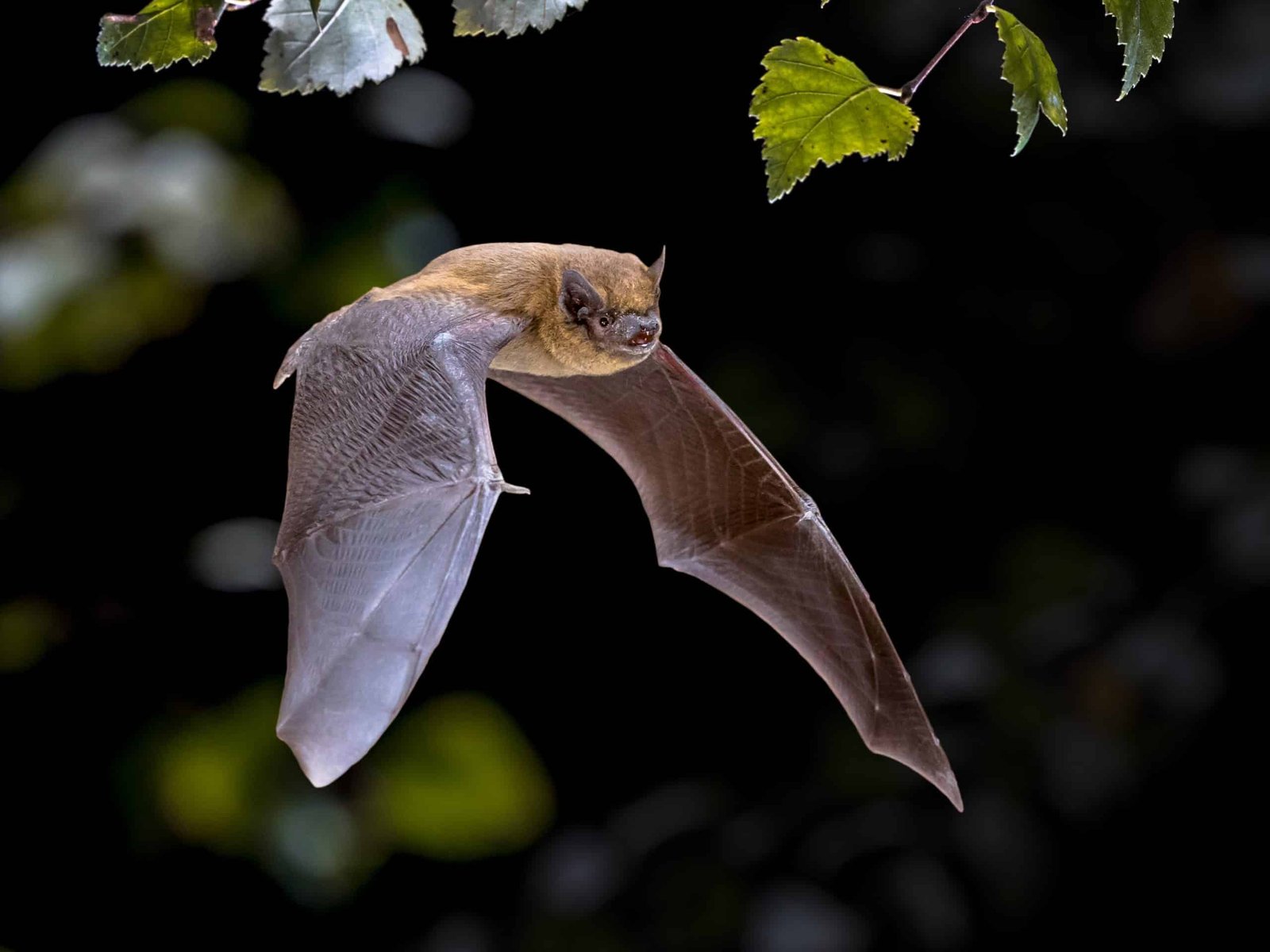
Bats are primarily active at night, using echolocation to navigate and hunt for insects.
Roosting Habits
During the day, bats find shelter in caves, trees, and even buildings, forming colonies for warmth and protection.
Dietary Preferences
Most bats feed on insects, playing a vital role in controlling pest populations naturally.
Ecological Allies
The Benefits of Bats
Bats play a vital role in pollination, seed dispersal, and controlling insect populations, which in turn fosters biodiversity and supports robust ecosystems. In Illinois, these remarkable creatures exclusively consume insects, with one bat capable of devouring up to 3,000 insects in a single night, including pests like corn borer and cutworm moths, as well as mosquitoes. Their impressive feeding habits make bats invaluable partners in managing nocturnal and flying insect populations.
When Bats Become a Nuisance
Bats are an important part of the ecosystem, but they can become a serious problem when they roost inside homes or commercial structures. Once bats enter an attic, chimney, or roofline, professional bat control is often necessary to protect the property and the people inside. Bats are commonly found in dark, secluded areas such as attics, soffits, eaves, and wall voids, where colonies can develop quietly over time.
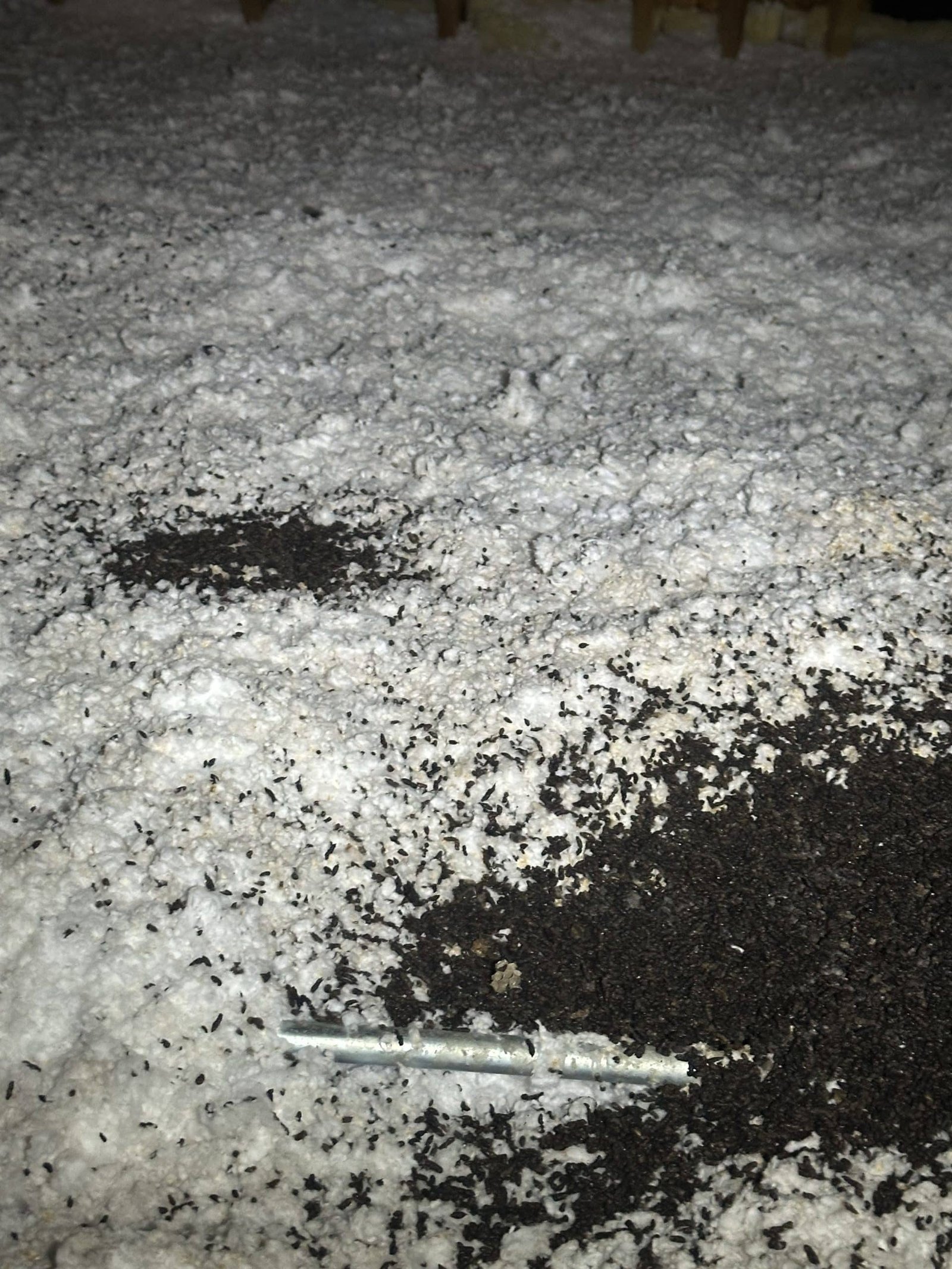
Bat infestations can create health and structural concerns due to the accumulation of droppings, known as guano. Bat guano produces strong odors, contaminates insulation, and may harbor fungi such as Histoplasma, which can cause respiratory illness in humans. In addition, bats are a known carrier of rabies, making direct contact or exposure to contaminated areas a potential safety risk.
Left unaddressed, bat activity can lead to costly cleanup, insulation replacement, and long-term damage to building materials. Professional bat control focuses on humane removal, proper exclusion, and prevention to safely remove bats and keep them from returning.
Legal Considerations for Bat Removal in Illinois
-
Maternity season restrictions:
From late spring through summer, bats may be raising young that cannot fly. Excluding bats during this period can trap pups inside structures, which is both inhumane and unlawful. -
Humane exclusion requirements:
Bats must be removed using approved one-way exclusion devices that allow bats to exit safely without re-entering. -
No poisons or lethal methods:
The use of poisons or lethal control methods for bats is prohibited and can create serious health and odor issues inside structures. -
Proper timing and compliance:
Bat removal must be performed during approved exclusion windows to comply with state and federal wildlife regulations.
Because of these restrictions, bat problems should always be handled by trained professionals who understand bat biology, seasonal behavior, and legal compliance.
Why Professional Bat Control Matters
Attempting to remove bats without proper knowledge of the law can result in:
-
Legal violations and fines
-
Dead bats trapped inside walls
-
Strong odors and sanitation issues
-
Continued bat activity and re-entry
D&K Pest Control & Wildlife Removal follows all applicable Illinois regulations and uses humane, compliant methods to remove bats safely and effectively while protecting both the animals and the property.
Our Bat Removal Process
Every bat removal service with D&K Pest Control & Wildlife Removal follows a proven, humane, and legally compliant process designed to remove bats safely and prevent them from returning.
1. Detailed Bat Inspection
We begin with a thorough inspection of the structure to identify:
-
Bat species present
-
Active roosting and nesting areas
-
Entry points along rooflines, vents, soffits, and siding
-
Signs of guano accumulation and contamination
This step allows us to determine the appropriate removal method and timing based on seasonal restrictions.
2. Legal Timing & Compliance Check
Before any removal work begins, we confirm that bat exclusion can be performed legally. During maternity season, removal may need to be delayed or modified to avoid trapping flightless young inside the structure.
Compliance with Illinois wildlife regulations is a critical part of our process.
3. Humane Bat Exclusion
When conditions allow, we install one-way exclusion devices at primary exit points. These devices:
-
Allow bats to safely exit the structure
-
Prevent re-entry
-
Avoid harm to the animals
No poisons or lethal methods are ever used.
4. Entry-Point Sealing & Prevention
Once all bats have exited, we permanently seal entry points using durable, wildlife-resistant materials. This step is essential to prevent future bat activity and protect the structure long-term.
5. Cleanup & Decontamination (If Needed)
In cases of heavy bat activity, we offer cleanup services to address:
-
Guano accumulation
-
Contaminated insulation
-
Odor issues and sanitation concerns
Cleanup recommendations are based on the severity of the infestation.
6. Final Inspection & Monitoring
We perform a final inspection to ensure:
-
All bats have been successfully excluded
-
Entry points are properly sealed
-
No additional access points are present
Our goal is complete, long-term bat control — not temporary solutions.
Why This Process Works
-
Humane and ethical removal
-
Fully compliant with wildlife laws
-
Prevents costly repeat infestations
-
Protects both the property and occupants
Safe Bat Removal Techniques
Humane Bat Removal Methods
At D&K Pest Control and Wildlife Removal, our bat control services prioritize both safety and humane practices throughout the removal process. Rather than using harmful techniques, our team employs professional exclusion methods, which involve sealing entry points after the bats have naturally exited to ensure they cannot return. We utilize one-way bat cones that allow bats to leave the structure safely but prevent re-entry, guiding them to find new roosts without causing harm.
Bats are a protected species in many states, including Illinois, because they play a crucial role in the ecosystem by naturally controlling mosquito and insect populations and contributing to pollination. Certain bat species have faced declining numbers due to habitat loss and disease, which has led to strict regulations on how and when bat control can be performed. For these reasons, it is illegal to trap, poison, or kill bats, and removal must follow specific seasonal guidelines to protect colonies — especially during maternity season when young bats are unable to fly.
Below is a video demonstrating one of our bat control exclusion cones in action.
Why Bats Are Protected
The Importance of Bat Conservation
Bats play a vital role in ecosystems by controlling insect populations and pollinating plants. Due to their ecological importance, many bat species are protected by law to prevent their decline. Conservation efforts help maintain biodiversity and ensure the health of our environment, highlighting the need for responsible wildlife management practices.
Get Expert Help with Bat Issues Today
Don’t let bats become a problem in your home. At D&K Pest Control and Wildlife Removal, we specialize in humane bat removal and prevention. Contact us now to ensure your space is safe and bat-free.


