Understanding Raccoon Intrusions
Professional Raccoon Removal | Raccoon Behavior and Prevention Guide
Discover how raccoons can become unwelcome guests and learn effective strategies to keep them at bay.
Understanding Raccoons
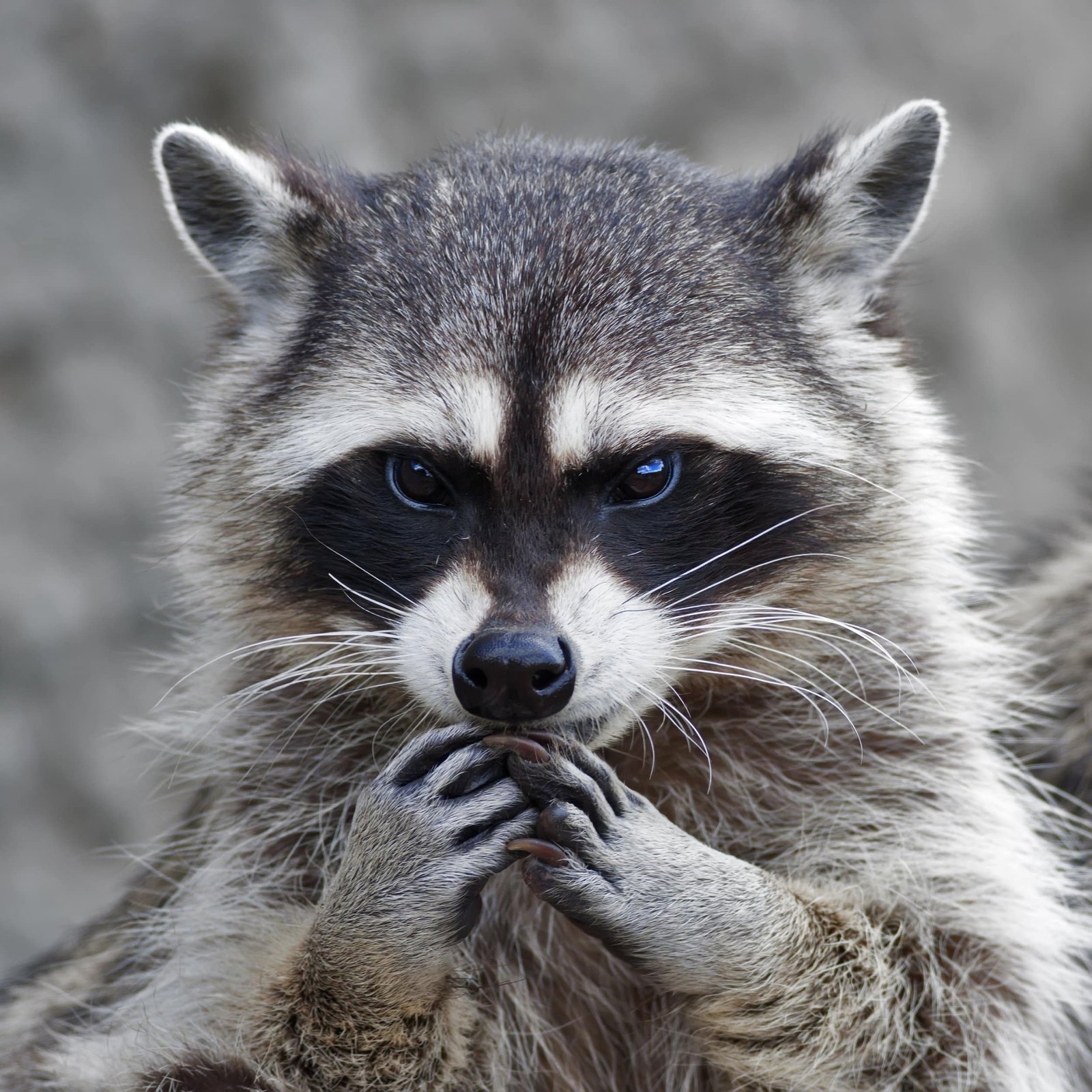
Raccoons are highly adaptable and intelligent animals, which is why raccoon removal near me is such a common search among homeowners. Recognizable by their black facial mask and ringed tail, raccoons are nocturnal mammals that thrive in both rural and urban environments. Their omnivorous diet and dexterous paws allow them to access a wide range of food sources, making raccoons in attics, trash cans, gardens, and crawl spaces a frequent problem for residential properties.
These animals are notorious for rummaging through garbage, damaging roofing and siding, and nesting in attics where they can cause extensive structural damage. Their ability to open containers, lift shingles, and exploit small entry points makes professional raccoon removal necessary once they gain access to a home. Because raccoons seek warm, secure nesting areas, attics and soffits are especially attractive during breeding seasons.
Understanding raccoon behavior is essential for effective raccoon control and prevention. Identifying how raccoons enter a home and addressing attractants such as food sources and unsecured openings can help reduce infestations. However, when raccoons take up residence indoors, humane raccoon removal and exclusion services are the safest and most effective solution to protect your home and prevent future problems.
Signs of Raccoon Activity
Recognizing the early signs of raccoon activity can help you avoid extensive damage and prevent the need for emergency raccoon removal near me services. Raccoons are large, strong animals, and their presence is often noticeable once you know what to look for.
-
Heavy footsteps or loud thumping in the attic
Raccoons are much heavier than mice or squirrels. Homeowners often describe the noise as walking, rolling, or dragging sounds—especially at night. -
Scratching, growling, or chittering noises
During breeding season, vocal sounds may indicate a mother raccoon and her kits. This is a common reason homeowners begin searching for raccoon removal near me. -
Damaged roof shingles or soffits
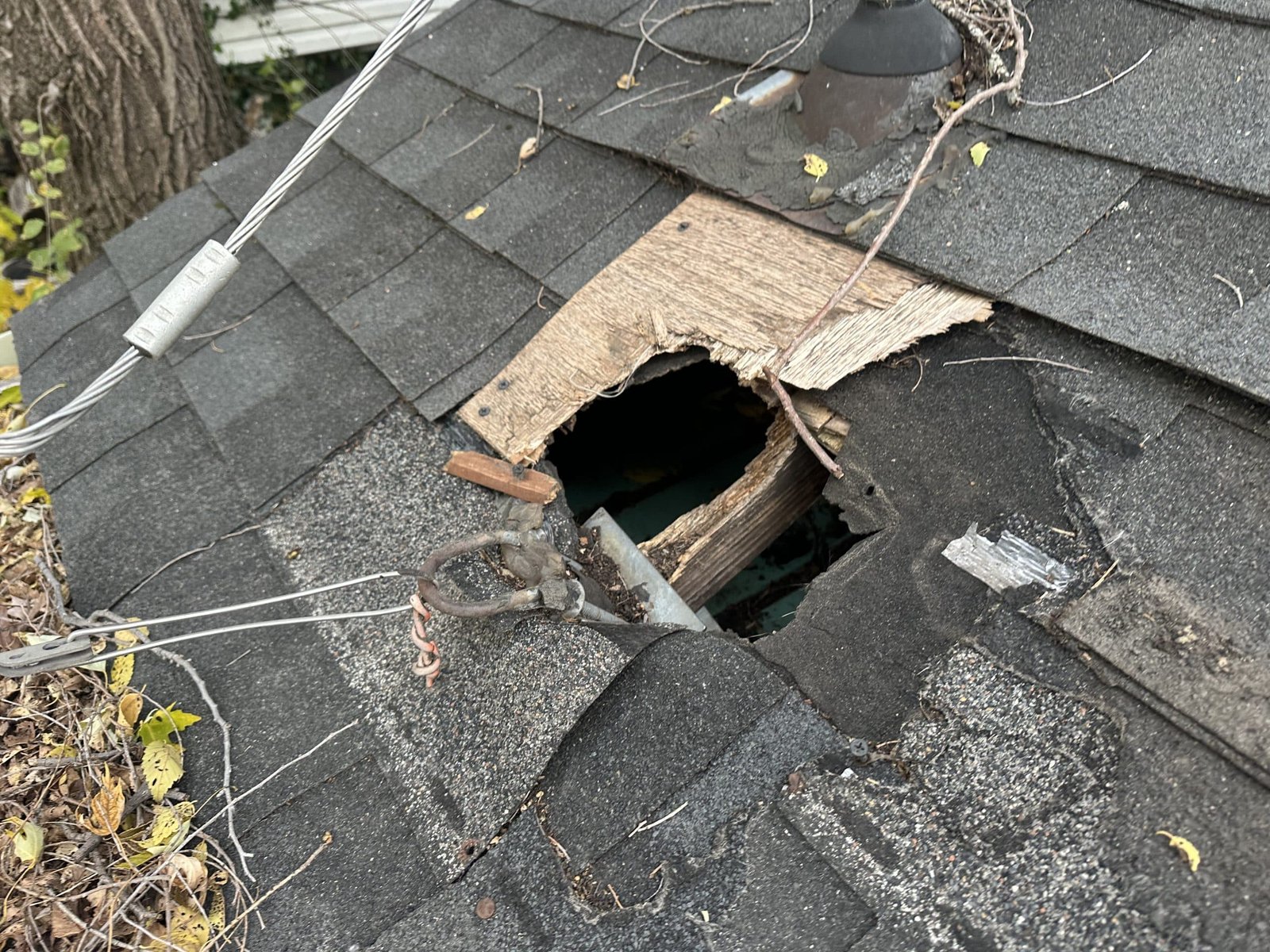
Torn shingles, bent flashing, or broken soffit panels are strong indicators of raccoon entry points. Raccoons will forcibly widen openings to gain attic access. -
Insulation damage or compressed attic areas
Raccoons flatten insulation to create nesting areas, reducing energy efficiency and increasing heating and cooling costs. -
Strong odors or droppings in the attic
Raccoon feces and urine can produce strong ammonia-like odors and pose health risks, making professional raccoon removal near me an important safety step. -
Repeated trash disturbances or overturned cans
If garbage cans are consistently tipped over or torn open, raccoons may be living nearby or using your property as a feeding site. -
Exterior damage around vents, chimneys, or rooflines
Raccoons often target roof vents and chimneys, leaving claw marks, bent vent covers, or visible gaps. -
Daytime raccoon activity
While raccoons are nocturnal, seeing one during the day—especially near the home—may indicate a nearby den with young.
Raccoon Removal Services
1. Professional Raccoon Inspection & Assessment
Every successful raccoon job starts with a thorough inspection. When homeowners search for raccoon removal near me, they’re often dealing with noises, damage, or visible entry points. Our trained wildlife specialists inspect the attic, roofline, soffits, vents, and surrounding areas to identify raccoon activity, nesting sites, and how the animals are accessing the home.
We determine whether raccoon babies are present, assess structural damage, and create a customized removal plan designed to resolve the issue safely and efficiently.
2. Humane Raccoon Removal & Family Reunification
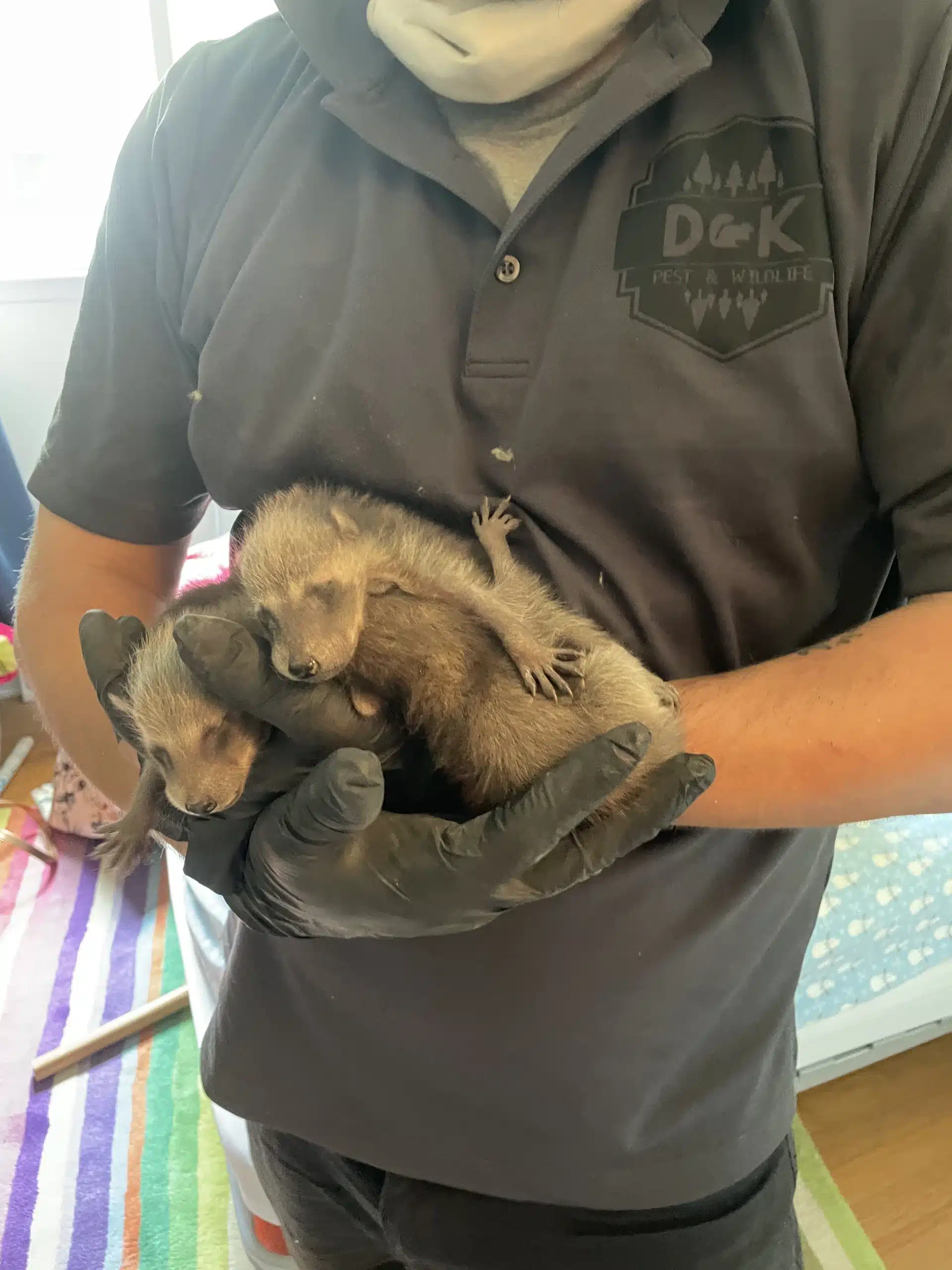
Our approach to raccoon removal focuses on humane, responsible methods that protect both your home and the animals. Adult raccoons are removed using safe trapping techniques, and if kits are present, we carefully locate and remove them by hand.
Raccoon babies are placed into a secure release box near the original entry point, allowing the mother raccoon to retrieve and relocate her young naturally. This method prevents orphaned wildlife, reduces repeated entry attempts, and complies with Illinois wildlife regulations.
3. Raccoon Exclusion, Repairs & Prevention
After raccoon removal is complete, long-term protection is essential. Many homeowners searching for raccoon removal near me are looking for a permanent solution—not a temporary fix.
We repair entry points, reinforce vulnerable areas, and install wildlife-proof materials on rooflines, vents, soffits, and other weak spots. Proper exclusion prevents raccoons from returning and helps protect your home from future wildlife intrusions.
Raccoon Prevention Tips for Homeowners
Preventing raccoons from entering your home is the best way to avoid costly damage and the need to search for raccoon removal near me. Raccoons are intelligent, persistent animals, but a few proactive steps can greatly reduce the chances of an infestation.
-
Secure trash cans and food sources
Raccoons are attracted to easy meals. Use locking trash can lids, avoid leaving pet food outdoors, and clean up fallen bird seed or fruit to make your property less appealing. -
Seal potential entry points early
Loose soffits, roof returns, vents, and damaged siding are common access points. Sealing these areas helps stop raccoons before they reach your attic and eliminates the need for emergency raccoon removal near me services. -
Trim branches and roof access routes
Overhanging tree limbs and fences give raccoons easy access to your roof. Trimming branches back at least 6–10 feet from the home reduces climb points and attic entry attempts. -
Install wildlife-proof vent covers and chimney caps
Roof vents and chimneys are prime entry locations. Properly installed animal-proof covers prevent raccoons from forcing their way inside. -
Reinforce weak areas around decks and crawl spaces
Raccoons often den under decks or porches before moving into the home. Installing dig-proof barriers and sealing gaps helps prevent future problems. -
Address raccoon activity early
Scratching noises, heavy footsteps in the attic, or damaged roofing are signs of an active raccoon. Acting quickly can prevent extensive damage and avoid the need for urgent raccoon removal near me. -
Schedule a professional inspection
A trained wildlife specialist can identify vulnerabilities and recommend long-term solutions. Preventative inspections are far less costly than full attic repairs after an infestation.
Below Are 2 Videos Of Humane Removal From Homes
Raccoon Diseases: Risks, Symptoms & Prevention
Common Raccoon Diseases
1. Raccoon Roundworm (Baylisascaris procyonis)
One of the most serious raccoon diseases, raccoon roundworm spreads through raccoon feces. Humans can become infected by accidentally inhaling or ingesting microscopic eggs.
Risks: Severe neurological damage, blindness, organ failure.
Where It’s Found: Raccoon latrines (attic insulation, roofs, sheds, woodpiles).
2. Rabies
Raccoons are among the top wildlife carriers of rabies, a fatal viral infection that attacks the nervous system.
Signs in Raccoons: Aggression, disorientation, staggering, foaming at the mouth.
Human Risk: Rabies is nearly always fatal without immediate medical treatment.
3. Leptospirosis
A bacterial disease transmitted through raccoon urine, contaminated soil, or standing water.
Symptoms in Humans: Fever, muscle aches, vomiting—can lead to liver or kidney failure.
4. Salmonella
Raccoons can shed salmonella bacteria in their droppings.
Risk: Contamination of outdoor kitchens, gardens, pet food, or water.
5. Canine Distemper
Though it does not infect humans, raccoons carrying distemper can easily pass it to unvaccinated dogs.
Signs in Raccoons: Wandering aimlessly, nasal discharge, tremors.
How Raccoon Diseases Spread
Raccoons can transmit diseases through:
-
Droppings and urine
-
Bites or scratches
-
Contaminated soil or water
-
Parasites (fleas, ticks, roundworm eggs)
-
Damaged insulation or nesting material
Even dried raccoon feces can remain infectious for years.
Why Removing Raccoons Matters
Infestations create hazardous conditions in:
-
Attics and crawlspaces
-
Garages and barns
-
Decks, chimneys, and sheds
-
Pet feeding areas
Raccoon droppings, nesting debris, and urine can all spread disease and require professional cleaning and decontamination.
How to Protect Your Home & Family
-
Never touch raccoons (even babies).
-
Avoid cleaning raccoon droppings yourself—roundworm eggs can become airborne.
-
Seal entry points in your home.
-
Store trash in wildlife-proof containers.
-
Keep pet food indoors.
-
Contact licensed wildlife control for safe removal.
Searching Raccoon Removal near me?
If you suspect raccoon activity, it’s important to act quickly. Professional wildlife specialists can:
-
Inspect your home
-
Remove raccoons safely
-
Sanitize and decontaminate infested areas
-
Repair entry points to prevent future invasions


