
Bird Removal & Prevention | Stop Birds in Attics & Vents
Protect Your Urban Spaces Today
Discover innovative bird removal and prevention methods designed to manage and deter pigeons, sparrows, and starlings from your property, creating a cleaner and safer environment.
Understanding Urban Bird Challenges
Pigeons, sparrows, and starlings are common in urban areas, often leading to significant challenges. These birds can cause property damage, spread diseases, and create unsanitary conditions. At D&K Pest Control and Wildlife Removal, we specialize in humane bird removal and prevention to mitigate these impacts, preserving the health and safety of urban environments.
Common Questions About Bird Control
Discover answers to frequently asked questions about managing migratory and invasive birds effectively.
How can I prevent pigeons from nesting on my property?
Pigeons are intelligent, persistent birds that often nest on rooflines, ledges, attics, gutters, solar panels, and commercial structures. Once pigeons establish a nesting site, they will continue returning due to their strong homing instinct. The key to preventing pigeons is eliminating access, removing shelter opportunities, and installing long-term physical deterrents that make your property unappealing and inaccessible.
Pigeons take advantage of small entry gaps along:
-
Roof intersections
-
Damaged soffits or fascia
-
Open attic vents
-
Gutter lines and sagging areas
-
Holes from woodpecker or squirrel damage
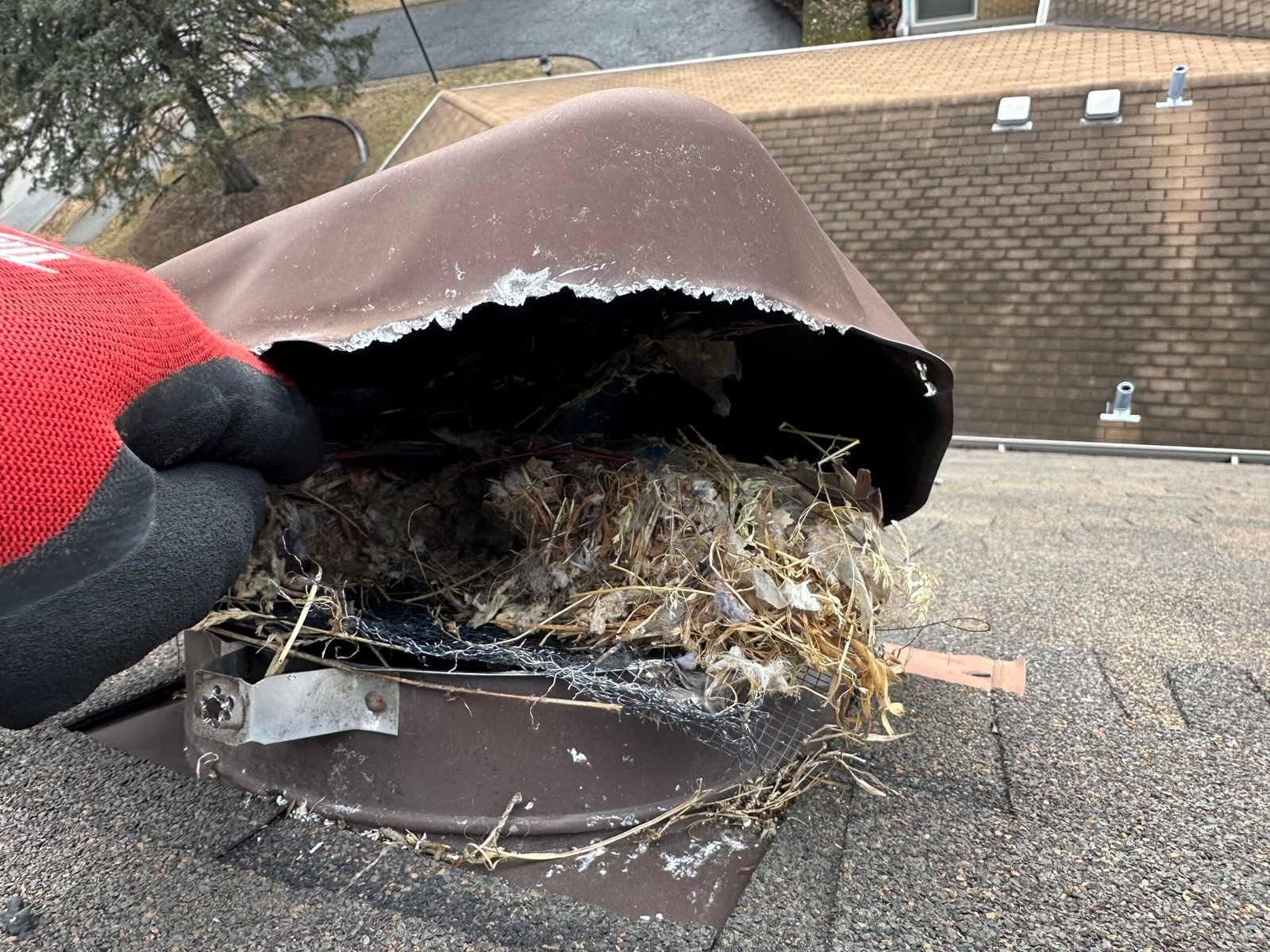
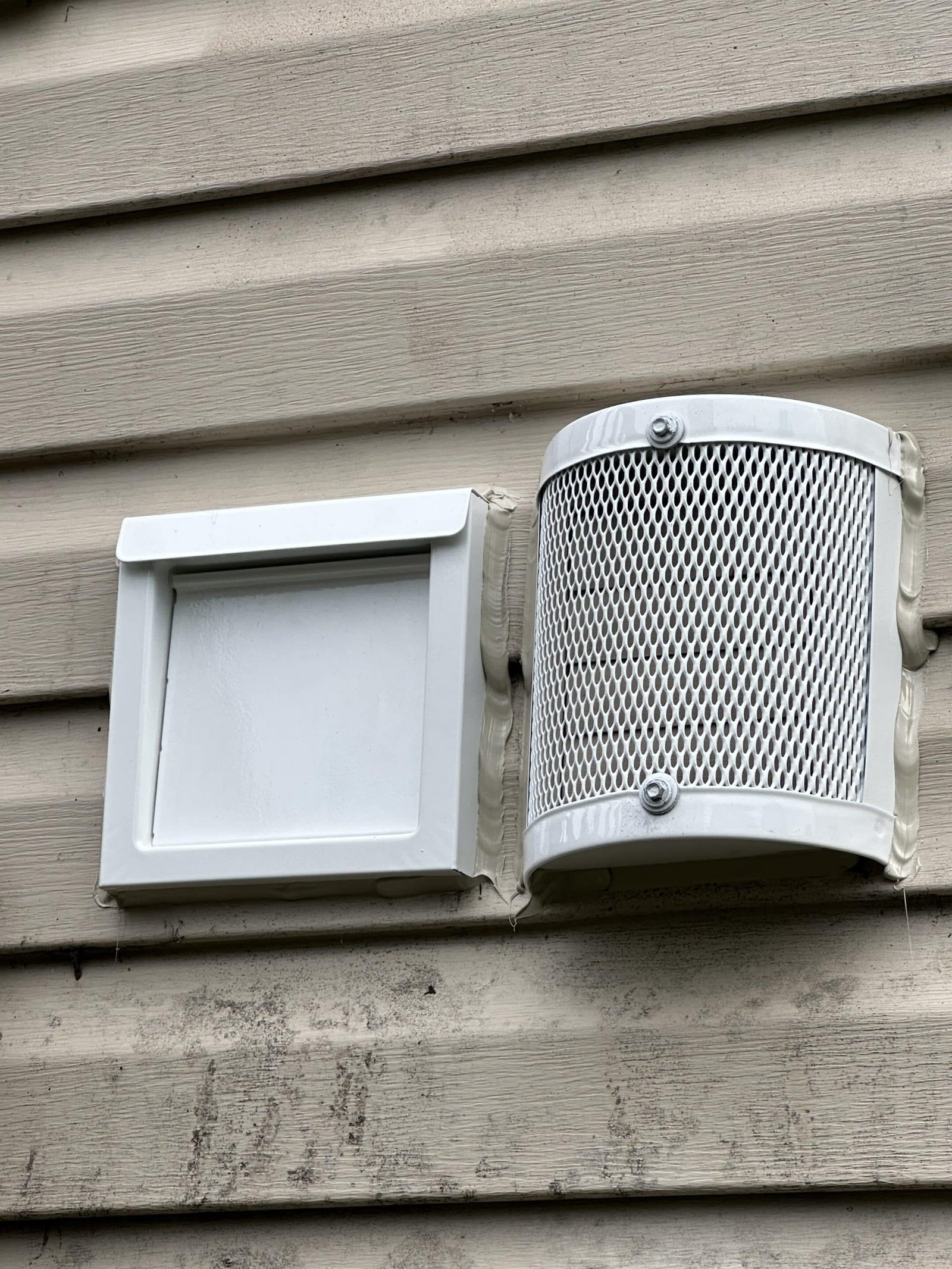
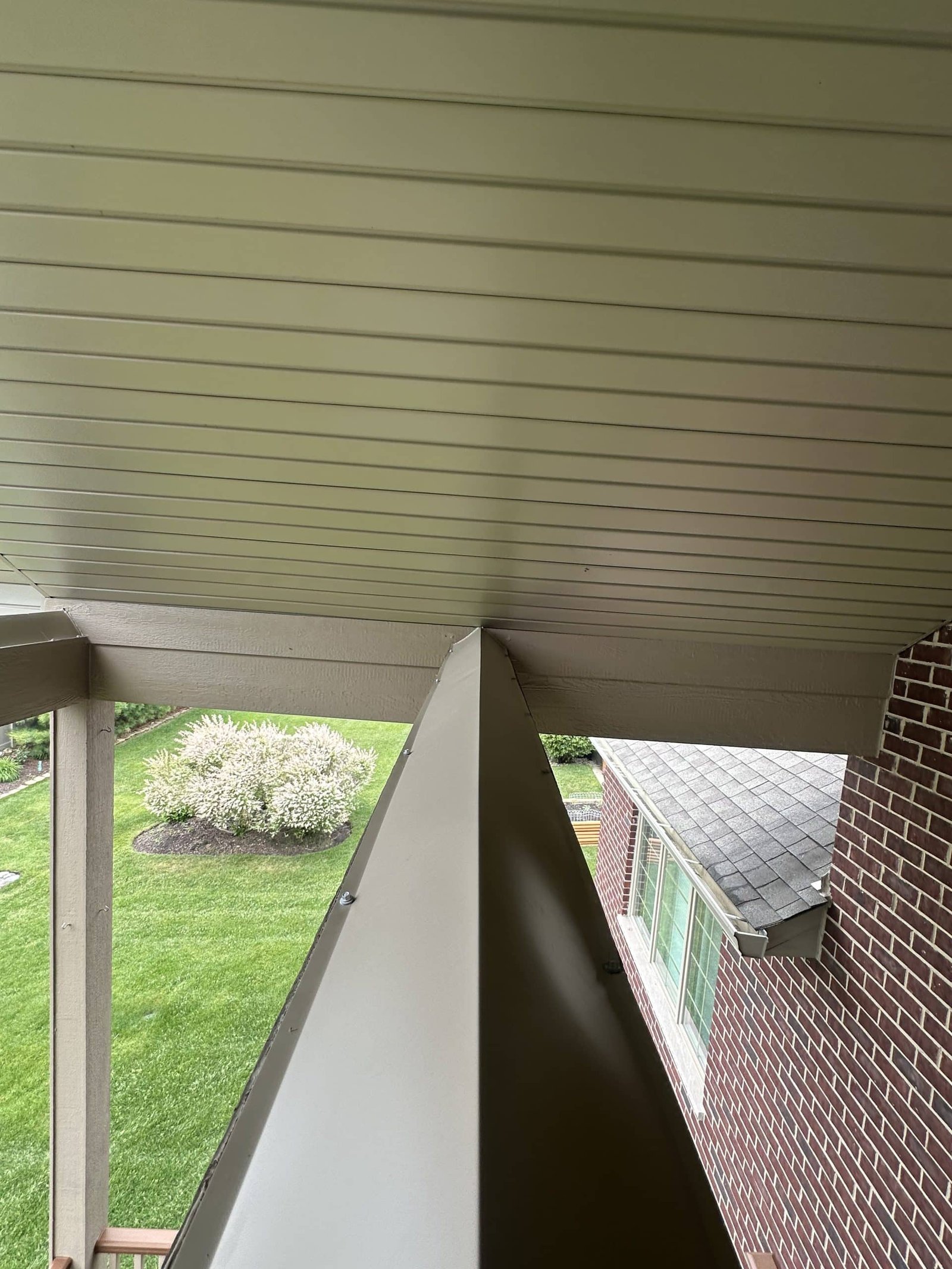
Professional exclusion — using materials such as trim coil, steel screening, Pest-Blok, and attic vent guards — keeps pigeons from accessing protected nesting sites.
Are there humane ways to control sparrow populations?
Seal Entry Points Before Nesting Season
The most effective and humane method to prevent sparrows is blocking access to areas they like to nest. This includes:
-
Attic gaps and roofline holes
-
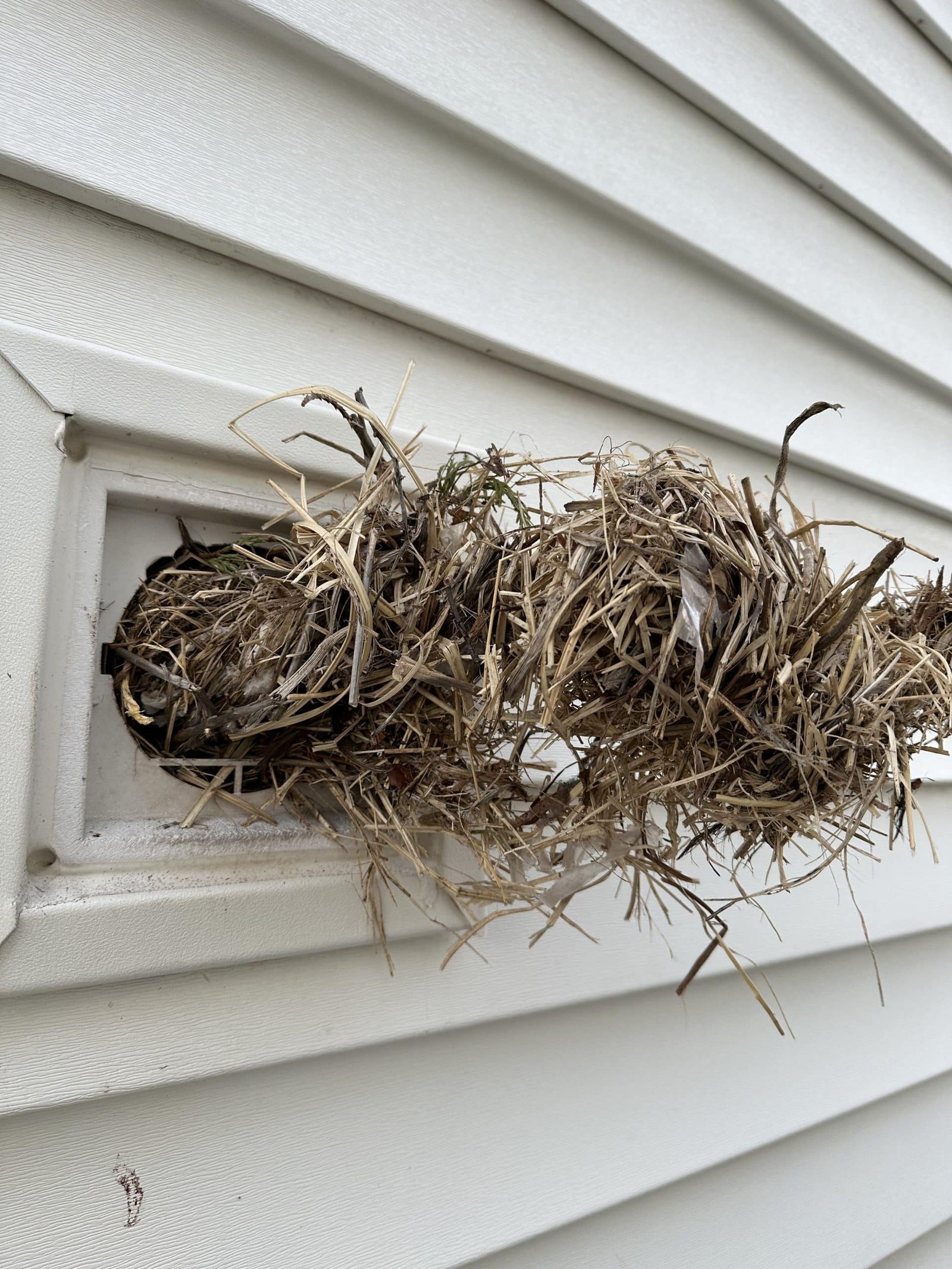
Dryer and bathroom exhaust vents
-
Open soffits or loose siding
-
Gutter lines and fascia gaps
Professional wildlife exclusion uses materials like steel screening, Pest-Blok, trim coil, vent guards, and one-way doors (when permitted) to allow birds to leave safely but stop them from returning.
Important: Many bird species are protected during nesting season, so always check regulations before disturbing an active nest.
What are the legal considerations for dealing with migratory birds?
When it comes to removing or preventing birds from nesting on your property, it’s important to understand that many species in the United States are protected under federal and state laws. The Migratory Bird Treaty Act (MBTA) prohibits the hunting, capturing, killing, or disturbance of migratory birds, their eggs, and their active nests without proper authorization. This means that even unintentional harm or nest removal can result in fines, legal penalties, and required permits to continue work.
What Is Protected Under the Migratory Bird Treaty Act?
The MBTA protects more than 1,000 species of birds, including:
-
Songbirds (such as robins, finches, swallows)
-
Waterfowl (geese, ducks, cranes)
-
Hawks, owls, falcons
-
Many common birds that nest on buildings and homes
Under the MBTA, the following are typically illegal without a permit:
-
Removing or destroying an active nest
-
Disturbing birds while nesting
-
Removing eggs or fledglings
-
Trapping or relocating migratory birds
-
Blocking entry while young are still inside
Protected vs. Non-Protected Birds
Not all nuisance birds are protected. Two species commonly encountered in residential and commercial wildlife control are not protected under the MBTA:
-
House Sparrows
-
European Starlings
-
Rock Pigeons (feral pigeons)
These species are considered invasive and non-native, so nest removal and prevention methods generally have fewer restrictions. However, local and state rules may still apply, and removal should always be done humanely and responsibly.
When Can Nests Be Removed?
A nest may be removed only when:
-
It is inactive (no eggs, no young)
-
The species is not federally protected
-
Removal complies with state regulations
-
The work is performed in a humane manner
If a nest belongs to a protected migratory species and contains eggs or young, it typically cannot be removed until the young have fledged. In some cases, property owners may apply for special federal or state permits if the nest poses direct safety, structural, or health risks.
How do I manage starling infestations?
European starlings are aggressive, invasive birds known for taking over attic spaces, soffits, dryer vents, bathroom exhaust vents, and roofline gaps. They travel in large flocks, reproduce quickly, and can cause significant damage to homes and commercial buildings. Because starlings are not protected under the Migratory Bird Treaty Act, prevention and removal options are more flexible than with native birds — but long-term control still requires structural exclusion and professional-grade deterrents.
Below are effective, humane, and long-lasting ways to prevent starling infestations on your property.
1. Seal All Structural Gaps and Vulnerable Entry Points
Starlings exploit even the smallest weaknesses around a home. Focus on sealing:
-
Gaps in soffits or fascia
-
Holes along rooflines
-
Open attic vents
-
Loose siding corners
-
Gutter gaps or damaged drip edge
-
Gaps where utility lines enter the house
Professional exclusion uses durable materials like Pest-Blok steel, trim coil, attic vent guards, hardware cloth, and wildlife-proof vent covers to block starling access permanently.
3. Use Bird Spikes on Ledges, Signs, and Roof Edges
Because starlings gather and perch in large numbers, eliminating roosting areas helps discourage them. Bird spikes can be installed on:
-
Signage
-
Window sills
-
Rooftop edges
-
Light fixtures
-
Support beams
-
Commercial ledges
Stainless steel spikes are humane and long-lasting — they simply remove a stable landing surface.
4. Install Bird Netting for Larger Areas
For commercial buildings, warehouses, loading docks, and overhangs, heavy-duty bird netting creates a full barrier that stops starlings from entering protected spaces. Proper installation prevents sagging, gaps, and entanglement issues.
5. Remove Food and Water Sources
Like most nuisance birds, starlings will stay where food is consistent:
-
Keep garbage areas sealed
-
Clean outdoor eating areas
-
Remove spilled seed from feeders
-
Avoid feeding birds cracked corn or bread
-
Keep pet food indoors
Replacing standard bird seed with safflower reduces starling activity around feeders.
6. Use Visual and Sound Deterrents (Short-Term Only)
Starlings are intelligent and adaptable. These deterrents may help temporarily, but should never replace exclusion:
-
Reflective tape
-
Predator balloons
-
Auditory repellents
-
Flashing discs
They are most effective when combined with structural bird-proofing.
Take Control of Your Bird Problem Today!
Don’t let pigeons, sparrows, or starlings disrupt your peace. Contact D&K Pest Control and Wildlife Removal to explore effective bird control solutions tailored to your needs. Our experts are ready to help you manage invasive and migratory bird issues. Reach out now and let us handle the rest!


