
Protect Your Lawn from Underground Invaders
Effective Solutions for Mole and Vole Control
Discover how D&K Pest Control and Wildlife Removal can safeguard your lawn from the destructive habits of moles and voles. Our expert solutions ensure a healthy, vibrant lawn free from unwanted pests.
Signs of Mole Damage In Lawns
Moles are insect hunters—not plant eaters—but the tunnels they create cause major property damage.
Symptoms of Mole Activity
-
Raised ridges running across the lawn
-
Mounds of loose soil (volcano-shaped)
-
Soft or collapsing ground
-
Surface tunnels that disrupt irrigation or drainage
Unlike voles, moles tear up your lawn chasing grubs and earthworms, leaving behind extensive surface disruption.
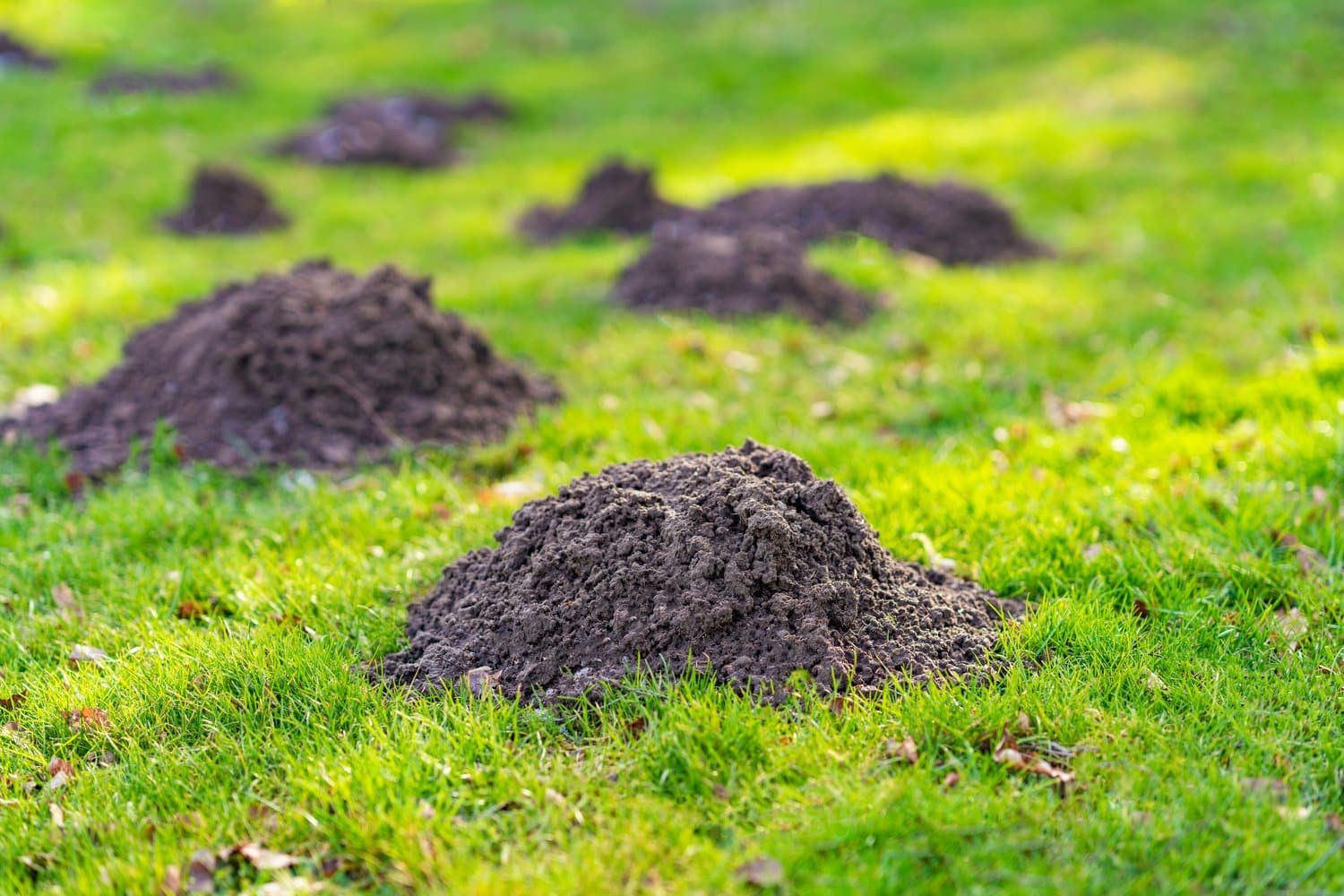
Mole Damage
Signs of Vole Damage In Lawns
Voles are often mistaken for mice, but they cause very different problems outdoors.
Common signs of vole activity include:
-
Shallow surface runways through grass or mulch
-
Gnaw marks on shrubs, trees, and roots
-
Small burrow openings (1–2 inches) near foundations, patios, sheds, or garden beds
-
Plant death due to root destruction
Why Voles Are a Serious Problem
Voles chew vegetation and root systems, causing irreversible plant damage. A vole colony can destroy:
-
Garden beds
-
Decorative shrubs
-
Newly planted trees
-
Sod and turf roots
Left unchecked, voles reproduce extremely fast, creating multiple litters per year, making early control critical.
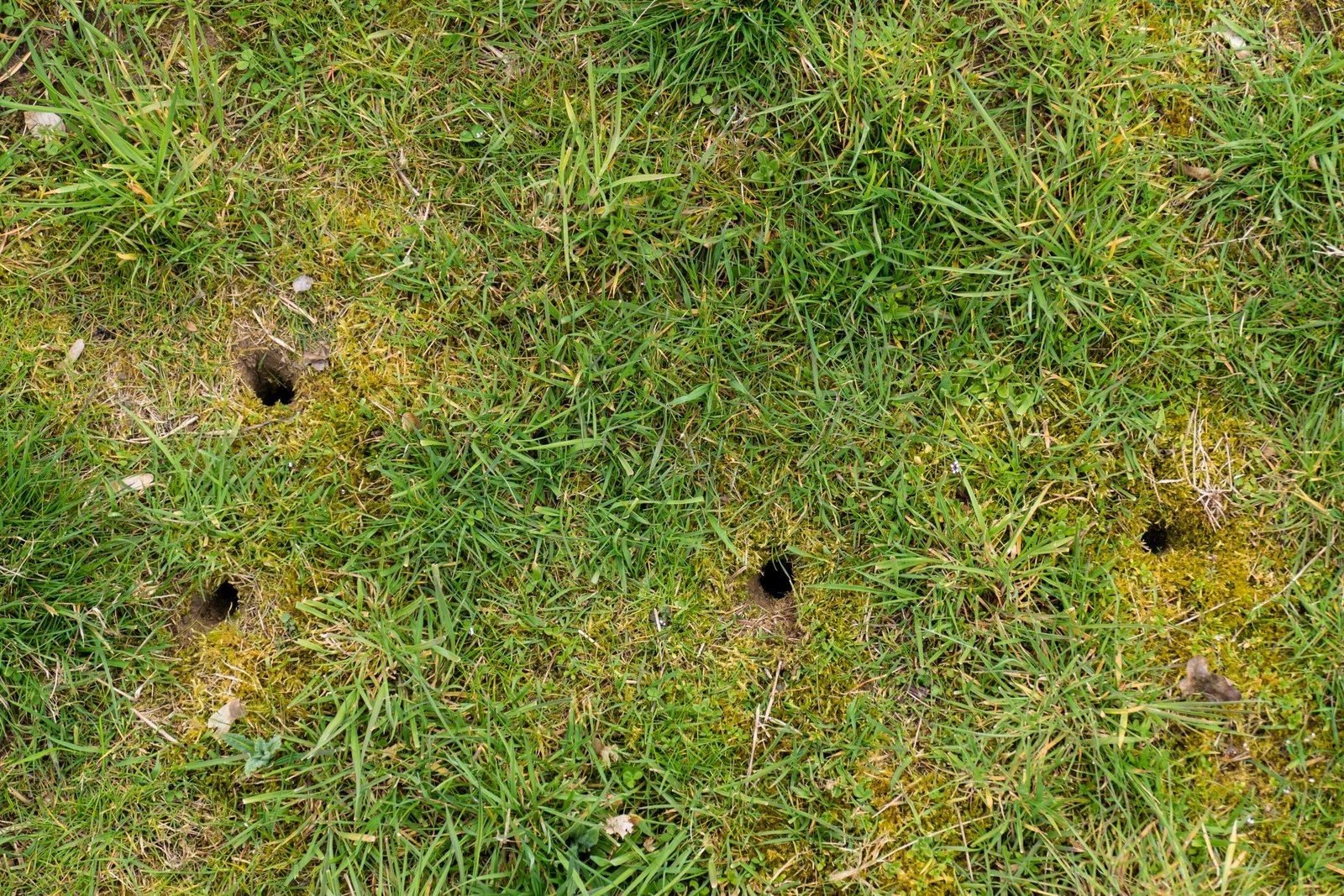
Vole Damage
Signs of Vole Damage In Lawns
Voles are often mistaken for mice, but they cause very different problems outdoors.
Common signs of vole activity include:
-
Shallow surface runways through grass or mulch
-
Gnaw marks on shrubs, trees, and roots
-
Small burrow openings (1–2 inches) near foundations, patios, sheds, or garden beds
-
Plant death due to root destruction
Why Voles Are a Serious Problem
Voles chew vegetation and root systems, causing irreversible plant damage. A vole colony can destroy:
-
Garden beds
-
Decorative shrubs
-
Newly planted trees
-
Sod and turf roots
Left unchecked, voles reproduce extremely fast, creating multiple litters per year, making early control critical.
Vole Damage
Our Mole & Vole Treatment Process
Moles and voles are active, fast-breeding lawn pests that require a strategic, ongoing approach rather than a one-time treatment. Our process is designed to reduce the active population as efficiently as possible while closely monitoring activity until control is achieved.
Vole Treatment Process
Voles travel and feed through visible surface runs just beneath the grass. To control them effectively, we target these active pathways directly.
-
Rodent bait stations are installed on top of the soil, placed precisely into active vole runs
-
Stations are positioned to intercept vole movement without broadcast baiting
-
Treatments focus on high-activity areas to reduce the population quickly and safely
-
Weekly follow-up visits are required to assess activity and adjust placement
Mole Treatment Process
Moles live and travel through underground burrow systems, requiring a different approach than surface-feeding rodents.
-
Treatments are applied inside active mole burrows, not on the surface
-
A combination of Talprid® mole bait and professional-grade mole traps is used
-
Burrow systems are evaluated and reworked as activity changes
-
Weekly follow-ups ensure continued pressure until tunneling stops
Follow-Up & Timeline Expectations
-
Both mole and vole services require weekly follow-up visits
-
Most properties require 3–8 follow-ups to achieve control
-
Heavily infested properties or large yards may require additional visits
-
Treatments continue until active tunneling and run damage has ceased
Important Expectations & Guarantees
-
Due to environmental factors and surrounding properties, we do not guarantee that moles or voles will not return
-
There is currently no reliable long-term prevention for moles or voles
-
Our service focuses on active population reduction, not permanent exclusion
Common Questions About Mole and Vole Control
Learn more about how to protect your lawn from moles and voles with our expert answers.
What are the signs of a mole or vole infestation?
How can I prevent moles and voles from returning?
Are your methods safe for pets and children?
How long does it take to see results?
Do you offer any guarantees?
What should I do if I spot a mole or vole after treatment?


