
Muskrat Behavior And Habits
Muskrat Removal | Understanding Muskrats And Their Behavior
Benefits Of Muskrats
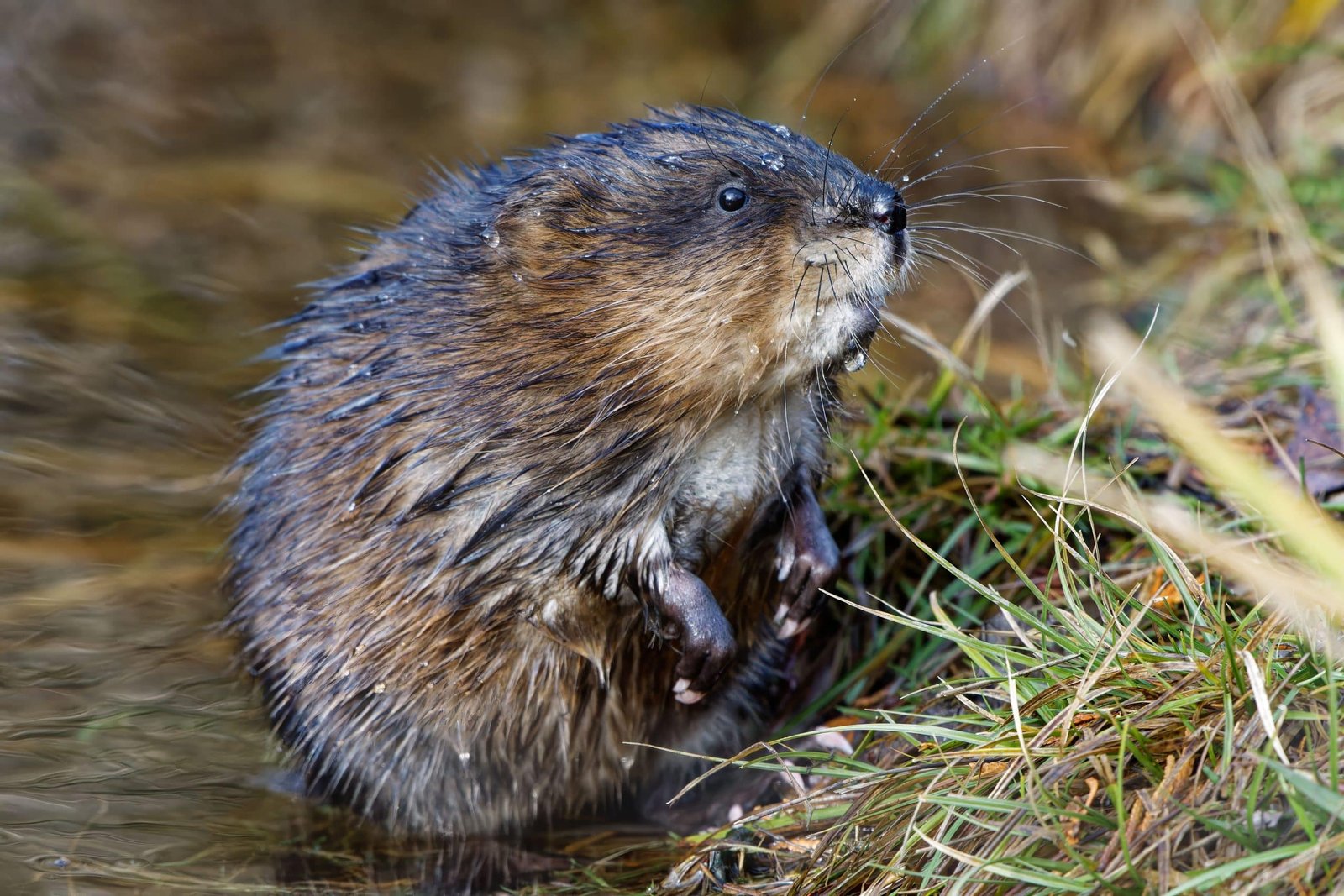
Muskrats are essential to the food web, serving as a significant food source for various predators, particularly minks, which depend greatly on them. They also function as natural architects within their ecosystems, with their abandoned burrows providing habitats for countless other species. A diverse array of animals, such as snakes, turtles, ducks, and wading birds, take advantage of muskrat lodges. Moreover, by foraging on aquatic vegetation, muskrats help create open water spaces that are crucial for waterfowl and wading birds, thereby increasing the biodiversity within their environments.
When Muskrats Become A Nuisance
Muskrats can pose challenges due to their extensive burrowing along pond banks, leading to considerable damage. Furthermore, these animals can harbor tularemia, a disease humans may contract through handling infected carcasses or ingesting contaminated food or water. Symptoms typically appear within three to five days after exposure and may include fever, chills, headaches, muscle and joint pain, and diarrhea. Thankfully, tularemia is treatable with antibiotics, and it is crucial to remember that it does not spread from person to person.
Appearance
Muskrats are sizable aquatic rodents measuring up to 2 feet in length including their tails, and weighing up to 4 pounds. Their fur is usually dark brown, with a lighter underside. They possess small eyes and ears, short front legs, and longer hind legs, along with five clawed toes on each foot; their back feet are webbed, making them well-adapted for aquatic life.
Habits
They are typically nocturnal, but may occasionally be spotted during the day. Muskrats generally lead solitary lives but may come together to den in winter. If food becomes scarce, they can exhibit aggression toward one another. Unlike some animals, muskrats do not hibernate and typically do not stockpile food for the winter months.
Reproduction
Muskrats typically breed between March and September, with the majority of their offspring arriving from April to June. The gestation period lasts between 25 and 30 days, and females usually give birth to two or three litters annually, each containing an average of three to six young.
Diet
Muskrats primarily thrive on a herbivorous diet, primarily consuming aquatic plants like the roots and stems of cattails, lilies, sedges, and grasses. While their main food sources are plant-based, they may also occasionally indulge in mussels, shrimp, and small fish.
Schedule Professional Muskrat Removal Today
Muskrat burrowing can weaken shorelines, pond banks, and drainage systems. Contact D&K Pest Control & Wildlife Removal to schedule a professional muskrat inspection and safe, effective removal.


